FONTFRONT

Font Info
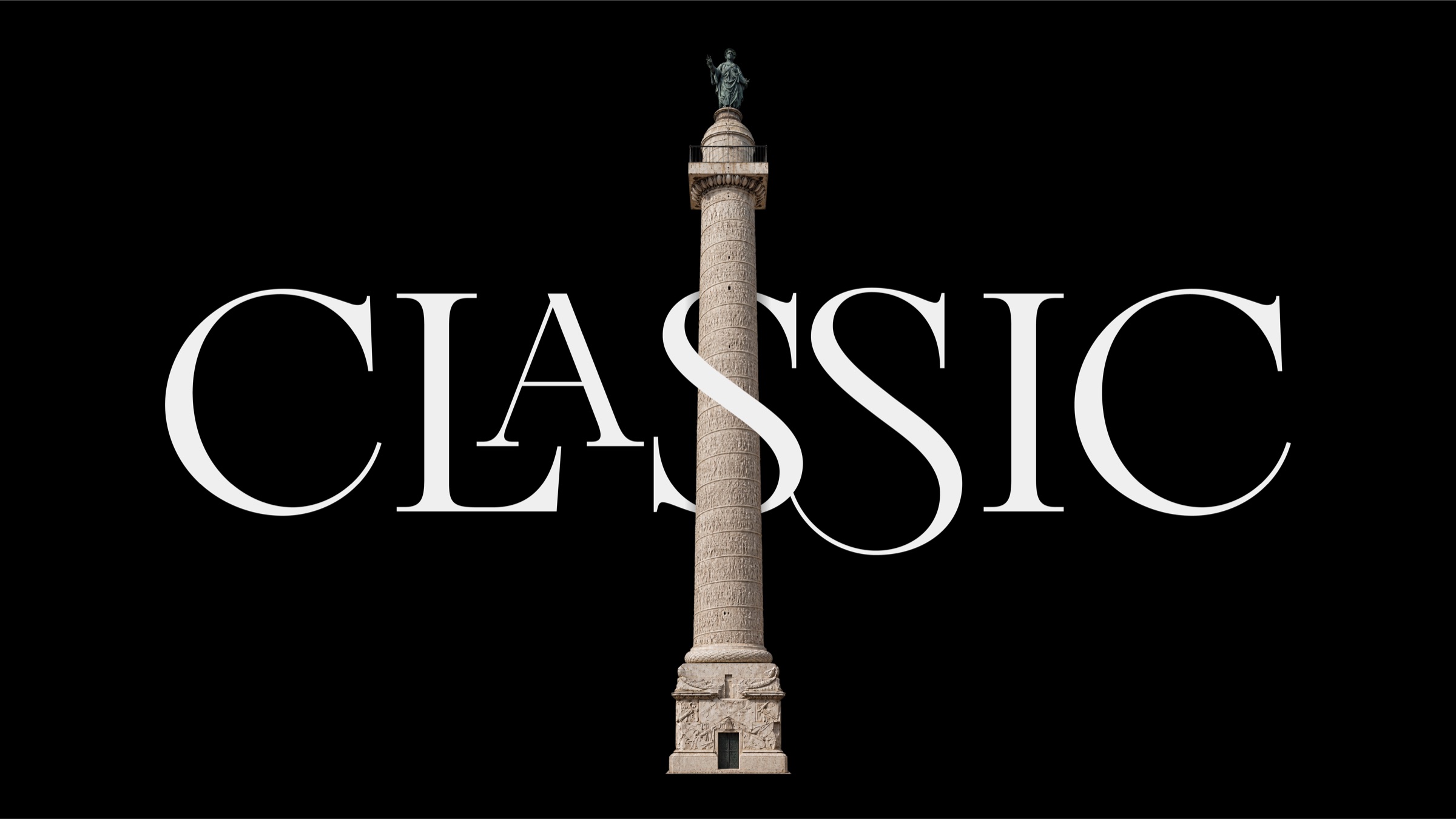
Formae is a contemporary display serif shaped by classical proportions, expressive contrast and editorial rhythm.
Available Styles
- Thin
- Light
- Regular
- Medium
- Semibold
- Bold
- Extrabold
- Black
Language Support
201 languages across Europe, Africa, the Americas and Asia-Pacific.
Character Count
706 glyphs / 567 encoded characters (Formae Regular)
OpenType Features
Stylistic Set 1 alternates, discretionary ligatures, oldstyle figures, automatic fractions, localized forms, case-sensitive forms, and circled letter and number sets.
See the OpenType Features showcase →Designer & Release
Morphy Foundry
Dezső Árpád & Solymosi Mór / 2026
Font Info
Formae is a contemporary display serif shaped by classical proportions, expressive contrast and editorial rhythm.
Available Styles
- Thin
- Light
- Regular
- Medium
- Semibold
- Bold
- Extrabold
- Black
Language Support
201 languages across Europe, Africa, the Americas and Asia-Pacific.
Character Count
706 glyphs / 567 encoded characters (Formae Regular)
OpenType Features
Stylistic Set 1 alternates, discretionary ligatures, oldstyle figures, automatic fractions, localized forms, case-sensitive forms, and circled letter and number sets.
See the OpenType Features showcase →Designer & Release
Morphy Foundry
Dezső Árpád & Solymosi Mór / 2026
Type Tester 01
298.8 px
600
0
Antikwas!
Type Tester 02
29.2 px
400
0
Letters rise from quiet strokes, where curves meet stems and every counter holds a breath of light. A typeface begins as rhythm: narrow forms gather speed, broad forms create pause, and careful spacing turns separate signs into a fluent voice. Serifs guide the eye across a line, while round bowls and open apertures give each word its color. From the smallest caption to the loudest title, letters balance clarity with character. They carry memory, mood, and meaning through books, screens, streets, and rooms. An alphabet is a system, yet each glyph keeps its own gesture, proportion, tension, and grace.
Type Tester 03
41.7 px
750
0
Type Tester 04
14 px
0.4
A museum begins with an object and grows through close looking. A worn tool can reveal the rhythm of work; a painted face can hold the mood of another century. Curators select, compare, label and arrange pieces until stories begin to speak together. Small choices in light, distance, sequence, and scale can change the meaning of an entire room. In galleries, footsteps soften and time seems to slow; on digital screens, collections travel beyond their walls. A living museum must protect the past while inviting new questions. Its rooms become a shared memory, shaped by objects, voices, research, and wonder. It lives. A museum begins with an object and grows through close looking. A worn tool can reveal the rhythm of work; a painted face can hold the mood of another century. Curators select, compare, label and arrange pieces until stories begin to speak together. Small choices in light, distance, sequence, and scale can change the meaning of an entire room. In galleries, footsteps soften and time seems to slow; on digital screens, collections travel beyond their walls. A living museum must protect the past while inviting new questions. Its rooms become a shared memory, shaped by objects, voices, research, and wonder. It lives. A museum begins with an object and grows through close looking. A worn tool can reveal the rhythm of work; a painted face can hold the mood of another century. Curators select, compare, label and arrange pieces until stories begin to speak together. Small choices in light, distance, sequence, and scale can change the meaning of an entire room. In galleries, footsteps soften and time seems to slow; on digital screens, collections travel beyond their walls. A living museum must protect the past while inviting new questions. Its rooms become a shared memory, shaped by objects, voices, research, and wonder. It lives. A museum begins with an object and grows through close looking. A worn tool can reveal the rhythm of work; a painted face can hold the mood of another century. Curators select, compare, label and arrange pieces until stories begin to speak together. Small choices in light, distance, sequence, and scale can change the meaning of an entire room. In galleries, footsteps soften and time seems to slow; on digital screens, collections travel beyond their walls. A living museum must protect the past while inviting new questions. Its rooms become a shared memory, shaped by objects, voices, research, and wonder. It liv
Type Tester 05
14 px
0.4
A letter starts with a mark and grows through measured choices. The curve of an o teaches the rhythm of every round form; the stem of an n sets the pace of a word. Designers adjust weight, contrast, width, and spacing until letters feel related without becoming identical. Tiny changes around a shoulder or terminal can alter the tone of an entire paragraph. In print, ink softens the edges; on a screen, pixels ask for clarity. A useful typeface must speak quietly in long text and confidently in display sizes. Its alphabet becomes a family of shapes, joined by proportion, detail, rhythm, and shared intent. It lives. A letter starts with a mark and grows through measured choices. The curve of an o teaches the rhythm of every round form; the stem of an n sets the pace of a word. Designers adjust weight, contrast, width, and spacing until letters feel related without becoming identical. Tiny changes around a shoulder or terminal can alter the tone of an entire paragraph. In print, ink softens the edges; on a screen, pixels ask for clarity. A useful typeface must speak quietly in long text and confidently in display sizes. Its alphabet becomes a family of shapes, joined by proportion, detail, rhythm, and shared intent. It lives. A letter starts with a mark and grows through measured choices. The curve of an o teaches the rhythm of every round form; the stem of an n sets the pace of a word. Designers adjust weight, contrast, width, and spacing until letters feel related without becoming identical. Tiny changes around a shoulder or terminal can alter the tone of an entire paragraph. In print, ink softens the edges; on a screen, pixels ask for clarity. A useful typeface must speak quietly in long text and confidently in display sizes. Its alphabet becomes a family of shapes, joined by proportion, detail, rhythm, and shared intent. It lives. A letter starts with a mark and grows through measured choices. The curve of an o teaches the rhythm of every round form; the stem of an n sets the pace of a word. Designers adjust weight, contrast, width, and spacing until letters feel related without becoming identical. Tiny changes around a shoulder or terminal can alter the tone of an entire paragraph. In print, ink softens the edges; on a screen, pixels ask for clarity. A useful typeface must speak quietly in long text and confidently in display sizes. Its alphabet becomes a family of shapes, joined by proportion, detail, rhythm, and shared intent. It lives. A letter starts with a mark and grows through measured choices. The curve of an o teaches the rhythm of every round form; the stem of an n sets the pace of a word. Designers adjust weight, contrast, width, and spacing until letters feel related without becoming identical. Tiny changes around a shoulder or terminal can alter the tone of an entire paragraph. In print, ink softens the edges; on a screen, pixels ask for clarity. A useful typeface must speak quietly in long text and confidently in display sizes. Its alphabet becomes a family of shapes, joined by proportion, detail, rhythm, and shared intent. It lives. A letter starts with a mark and grows through measured choices. The curve of an o teaches the rhythm of every round form; the stem of an n sets the pace of a word. Designers adjust weight, contrast, width, and spacing until letters feel related without becoming identical. Tiny changes around a shoulder or terminal can alter the tone of an entire paragraph. In print, ink softens the edges; on a screen, pixels as
Type Tester 06
14 px
400
0.4
Rome sits across seven hills where ancient stone still meets modern rhythm. The Tiber curves through neighborhoods layered with empire, papacy, and everyday life. The Colosseum anchors long afternoons of history, while Trastevere hums with narrow streets and late dinners. Piazzas gather fountains, markets, and conversation under the same warm light. Vatican City rises within the city's edge, drawing pilgrims and visitors alike. Espresso bars, tailors, and centuries-old workshops continue trades passed through generations, holding a modern capital inside a very old city. Rome endures. Rome sits across seven hills where ancient stone still meets modern rhythm. The Tiber curves through neighborhoods layered with empire, papacy, and everyday life. The Colosseum anchors long afternoons of history, while Trastevere hums with narrow streets and late dinners. Piazzas gather fountains, markets, and conversation under the same warm light. Vatican City rises within the city's edge, drawing pilgrims and visitors alike. Espresso bars, tailors, and centuries-old workshops continue trades passed through generations, holding a modern capital inside a very old city. Rome endures. Rome sits across seven hills where ancient stone still meets modern rhythm. The Tiber curves through neighborhoods layered with empire, papacy, and everyday life. The Colosseum anchors long afternoons of history, while Trastevere hums with narrow streets and late dinners. Piazzas gather fountains, markets, and conversation under the same warm light. Vatican City rises within the city's edge, drawing pilgrims and visitors alike. Espresso bars, tailors, and centuries-old workshops continue trades passed through generations, holding a modern capital inside a very old city. Rome endures. Rome sits across seven hills where ancient stone still meets modern rhythm. The Tiber curves through neighborhoods layered with empire, papacy, and everyday life. The Colosseum anchors long afternoons of history, while Trastevere hums with narrow streets and late dinners. Piazzas gather fountains, markets, and conversation under the same warm light. Vatican City rises within the city's edge, drawing pilgrims and visitors alike. Espresso bars, tailors, and centuries-old workshops continue trades passed through generations, holding a modern capital inside a very old city. Rome endures. Rome sits across seven hills where ancient stone still meets modern rhythm. The Tiber curves through neighborhoods layered with empire, papacy, and everyday life. The Colosseum anchors long afternoons of history, while Trastevere hums with narrow streets and late dinners. Piazzas gather fountains, markets, and conversation under the same warm light. Vatican City rises within the city's edge, drawing pilgrims and visitors alike. Espresso bars, tailors, and centuries-old workshops continue trades passed through generations, holding a modern capital inside a very old city. Rome endures. Rome sits across seven hills where ancient stone still meets modern rhythm. The Tiber curves through neighborhoods layered with empire, papacy, and everyday life. The Colosseum anchors long afternoons of history, while Trastevere hums with narrow streets and late dinners. Piazzas gather fountains, markets, and conversation under the same warm light. Vatican City rises within the city's edge, drawing pilgrims and visitors alike. Espresso bars, tailors, and centuries-old workshops continue trades passed through generations, holding a modern capital inside a very old city. Rome endures. Rome sits across seven hills where ancient stone still meets modern rhythm. The Tiber curves through neighborhoods layered with empire, papacy, and everyday life. The Colosseum anchors long afternoons of history, while Trastevere hums with narrow streets and late dinners. Piazzas gather fountains, markets, and conversation under the same warm light. Vatican City rises within the city's edge, drawing pilgrims and visitors alike. Espresso bars, tailors, and centuries-old workshops continue trades passed through generations, holding a modern capital inside a very old city. Rome endures. Rome sits across seven hills where ancient stone still meets modern rhythm. The Tiber curves through neighborhoods layered with empire, papacy, and everyday life. The Colosseum anchors long afternoons of history, while Trastevere hums with narrow streets and late dinners. Piazzas gather fountains, markets, and conversation under the same warm light. Vatican City rises within the city's edge, drawing pilgrims and visitors alike. Espresso bars, tailors, and centuries-old workshops continue trades passed through generations, holding a modern capital inside a very old city. Rome endures. Rome sits across seven hills where ancient stone still meets modern rhythm. The Tiber curves through neighborhoods layered with empire, papacy, and everyday life. The Colosseum anchors long afternoons of history, while Trastevere hums with narrow streets and late dinners. Piazzas gather fountains, markets, and conversation under the same warm light. Vatican City rises within the city's edge, drawing pilgrims and visitors alike. Espresso bars, tailors, and centuries-old workshops continue trades passed through generations, holding a modern capital inside a very old city. Rome endures. Rome sits across seven hills where ancient stone still meets modern rhythm. The Tiber curves through neighborhoods layered with empire, papacy, and everyday life. The Colosseum anchors long afternoons of history, while Trastevere hums with narrow streets and late dinners. Piazzas gather fountains, markets, and conversation under the same warm light. Vatican City rises within the city's edge, drawing pilgrims and visitors alike. Espresso bars, tailors, and centuries-old workshops continue trades passed through generations, holding a modern capital inside a very old city. Rome endures. Rome sits across seven hills where ancient stone still meets modern rhythm. The Tiber curves through neighborhoods layered with empire, papacy, and everyday life. The Colosseum anchors long afternoons of history, while Trastevere hums with narrow streets and late dinners. Piazzas gather fountains, markets, and con
Þórvald9→Đøóm\7°C!
Wÿrd42*@Æsc\Þór§9!
ⓈBest;Little&Chateau
Grape%BottleClass↗⑧
Waffle&Soufflé№5¢€
U+003F U+0021 / 196 / Question Mark + Exclamation
?!
U+0040 / 196 / At Sign
91
U+0026 / 196 / Ampersand
&
U+0067 / 196 / Latin Small Letter G
g
á
1%
Each vintage carries the memory of soil, sun and rain, distilled slowly into a single glass shared among friends.
ELLIOTT
❼❽
Regular / 387
Qa
AaBbCc (01234567) ?!%@#$&
Regular / 463Formae · Display serifTracking −55 / Leading 100%
Gold &
Vellum
Vellum
Regular / 287Formae · Display serifTracking −55 / Leading 90%
PROS&CONS
Regular / 382Formae · Display serifTracking −55 / Leading 90%
Château
Regular / 305Formae · Display serifTracking −55 / Leading 90%
Édification
Regular / 411Formae · Display serifTracking −55 / Leading 90%
PALETTE
Regular / 301Formae · Display serifTracking −55 / Leading 90%
Cartouche
Regular / 498Formae · Display serifTracking −55 / Leading 90%
FLAME
Regular / 285Formae · Display serifTracking −40 / Leading 90%
Illuminated
Regular / 290Formae · Display serifTracking −40 / Leading 100%
Craftsman
Mastering
Letterform
Mastering
Letterform
Regular / 307Formae · Display serifTracking 0 / Leading 90%
0123456789
Regular / 416Formae · Display serifTracking −55 / Leading 90%
Théâtre
Þórvald9→Đøóm\7°C!
Wÿrd42*@Æsc\Þór§9!
ⓈBest;Little&Chateau
Grape%BottleClass↗⑧
Character Set
A
Uppercase Latin
ABCDEFGHIJKLMNOPQRSTUVWXYZ
Lowercase Latin
abcdefghijklmnopqrstuvwxyz
Numerals & Punctuation
0123456789.,:;!?“”‘’()[]{}–—/\
Additional Punctuation & Marks
…•·‹›«»‚„⁄¬‰¿¡_|¦†‡§¶
Supported Languages
Abenaki, Afaan Oromo, Afar, Afrikaans, Albanian, Alsatian, Amis, Anuta, Aragonese, Aranese, Aromanian, Arrernte, Arvanitic, Asturian, Aymara, Bashkir, Basque, Belarusian, Bikol, Bislama, Bosnian, Breton, Bulgarian Romanization, Cape Verdean, Catalan, Cebuano, Chamorro, Chavacano, Chickasaw, Cimbrian, Cofán, Corsican, Creek, Crimean Tatar, Croatian, Danish, Dawan, Delaware, Dholuo, Drehu, Dutch, English, Esperanto, Estonian, Fijian, Filipino, Finnish, Folkspraak, French, Frisian, Friulian, Gagauz, Galician, Genoese, German, Gooniyandi, Greenlandic, Guadeloupean, Gwich'in, Haitian Creole, Han, Hawaiian, Hiligaynon, Hopi, Ho-Chunk, Hungarian, Ido, Igbo, Ilocano, Indonesian, Interglossa, Interlingua, Irish, Istro-Romanian, Italian, Jamaican, Javanese, Jèrriais, Kaingang, Kala Lagaw Ya, Kapampangan, Kaqchikel, Karakalpak, Karelian, Kashubian, Kikongo, Kinyarwanda, Kiribati, Kirundi, Klingon, Kurdish, Ladin, Latin, Latino Sine Flexione, Latvian, Lithuanian, Lojban, Lombard, Low Saxon, Luxembourgish, Makhuwa, Malay, Maltese, Manx, Maori, Marquesan, Megleno-Romanian, Meriam Mir, Mirandese, Mohawk, Moldovan, Montagnais, Montenegrin, Murrinh-Patha, Nagamese Creole, Ndebele, Neapolitan, Ngiyambaa, Niuean, Noongar, Norwegian, Novial, Occidental, Occitan, Oshiwambo, Ossetian, Palauan, Papiamento, Piedmontese, Polish, Portuguese, Potawatomi, Q'eqchi', Quechua, Rarotongan, Romanian, Romansh, Rotokas, Sami (Lule), Sami (Southern), Samoan, Sango, Saramaccan, Sardinian, Scottish Gaelic, Serbian, Seri, Seychellois, Shawnee, Shona, Sicilian, Silesian, Slovenian, Slovio, Somali, Sorbian (Lower), Sorbian (Upper), Sotho (Northern), Sotho (Southern), Spanish, Sranan, Sundanese, Swahili, Swazi, Swedish, Tagalog, Tahitian, Tetum, Tok Pisin, Tokelauan, Tongan, Tshiluba, Tsonga, Tswana, Tumbuka, Turkish, Turkmen, Tuvaluan, Tzotzil, Ukrainian, Uzbek, Venetian, Vepsian, Volapük, Võro, Wallisian, Walloon, Waray-Waray, Warlpiri, Wayuu, Welsh, Wik-Mungkan, Wiradjuri, Xavante, Xhosa, Yapese, Yindjibarndi, Zapotec, Zazaki, Zulu, Zuni.
Aa
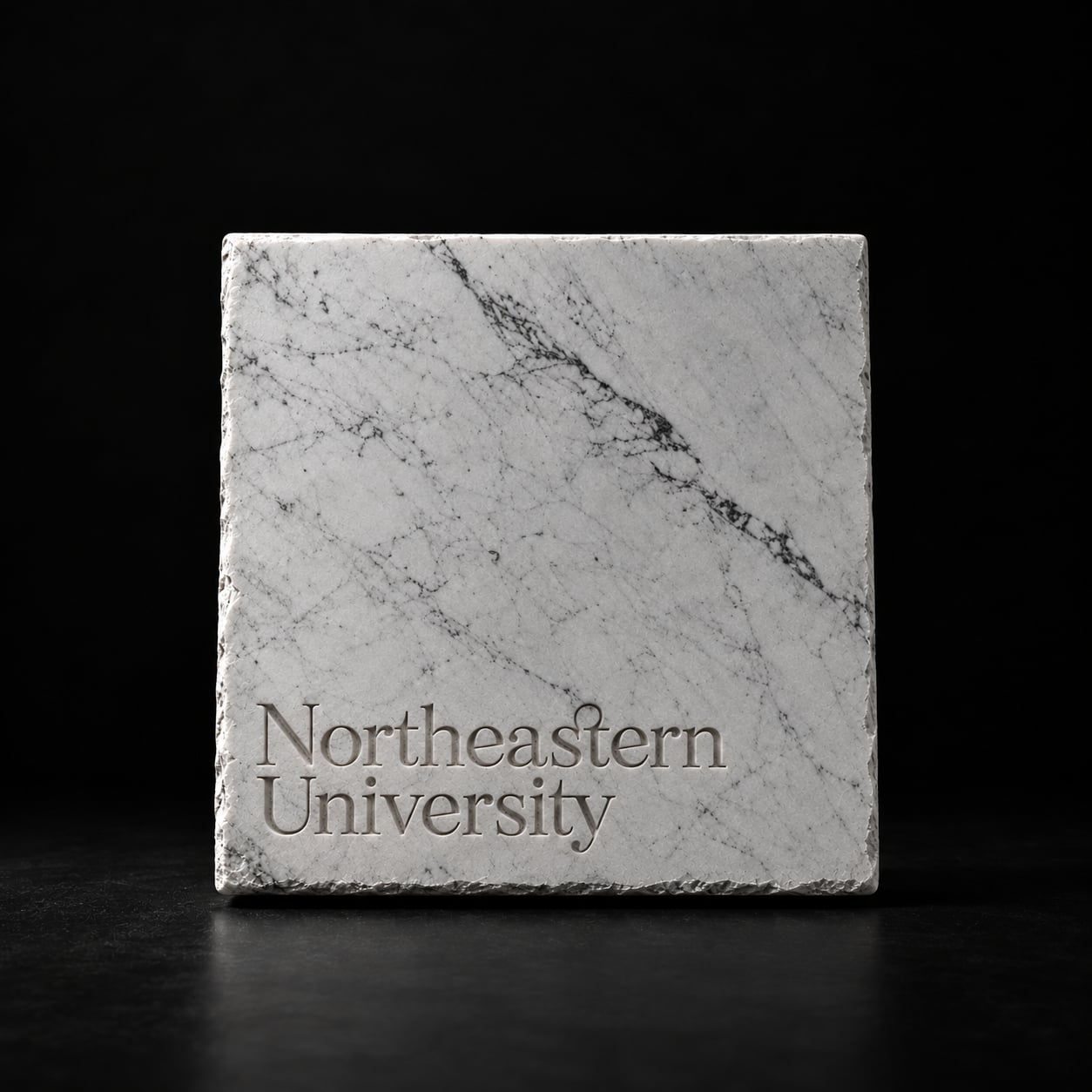
A modern serif built for structured, information-driven design.
Aa
OpenType Features
Automatic fractions
3/4·¾
Arrows
EXIT^·EXIT↗
Math symbols
9x6·9×6
Minus sign
1989-26·1989−26
Localized forms
Ţara·Țara
Standard ligatures
ELLIOTT·ELLIOTT
Oldstyle numbers
1839·
Stylistic Set 1, Alternates
BAROQUE·BAROQUE
Circled letters
(R)·Ⓡ
Circled numbers
(5)·⑤
Þórvald9→Đøóm\7°C!
Wÿrd42*@Æsc\Þór§9!
ⓈBest;Little&Chateau
Grape%BottleClass↗⑧
931A
677B
824C
802D
686E
672F
887G
849H
355I
405J
820K
646L
1109M
869N
891O
653P
1038Q
873R
595S
718T
849U
934V
1264W
839X
787Y
664Z
655a
676b
610c
676d
612e
507f
678g
695h
315i
316j
700k
315l
1035m
695n
667o
656p
656q
494r
490s
412t
695u
693v
1066w
671x
761y
531z
6350
4011
5882
5623
6054
5505
5806
5627
5818
5809
Formae, drawn from the proportions of early printed books, is a display serif built for headlines that still read as letters and not merely as shapes.
A display serif for the printed word. Drawn by Morphy Foundry.
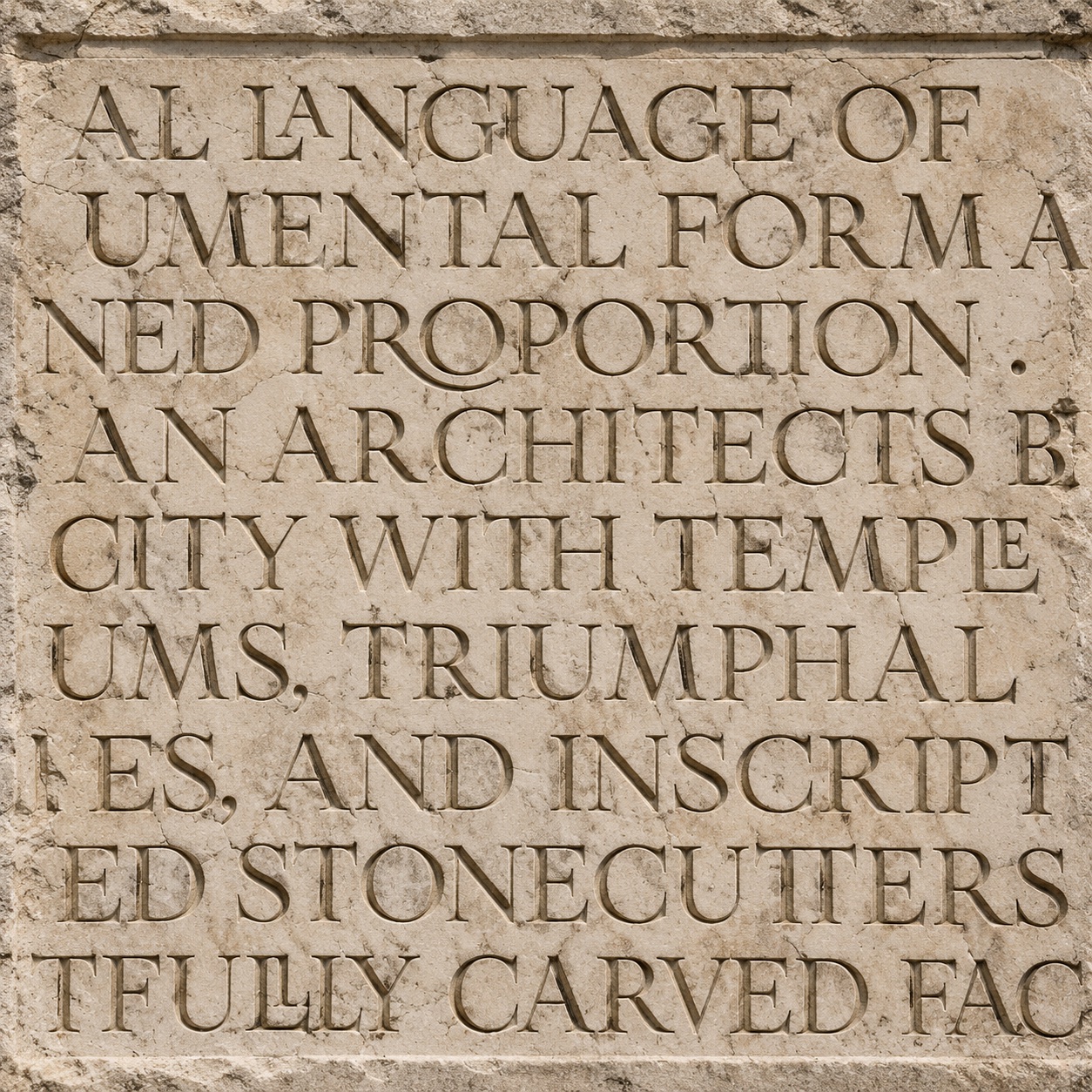
Formae draws its structure from the proportions of early printed books, carrying their serifs, contrast and rhythm into a contemporary display face built for headlines, editorial pages and long passages of continuous reading alike.
Renaissance printers cut each letter by hand and corrected it by eye, adjusting stroke and counter until a whole page of type read as one even, continuous colour of ink rather than a row of separate signs.
Long before phototypesetting or digital type, the printed page still carried the memory of the metal it came from: a slight unevenness in the impression, a rhythm set by hand rather than by a machine, and a texture that later, smoother technologies would spend a century trying to either erase or imitate.
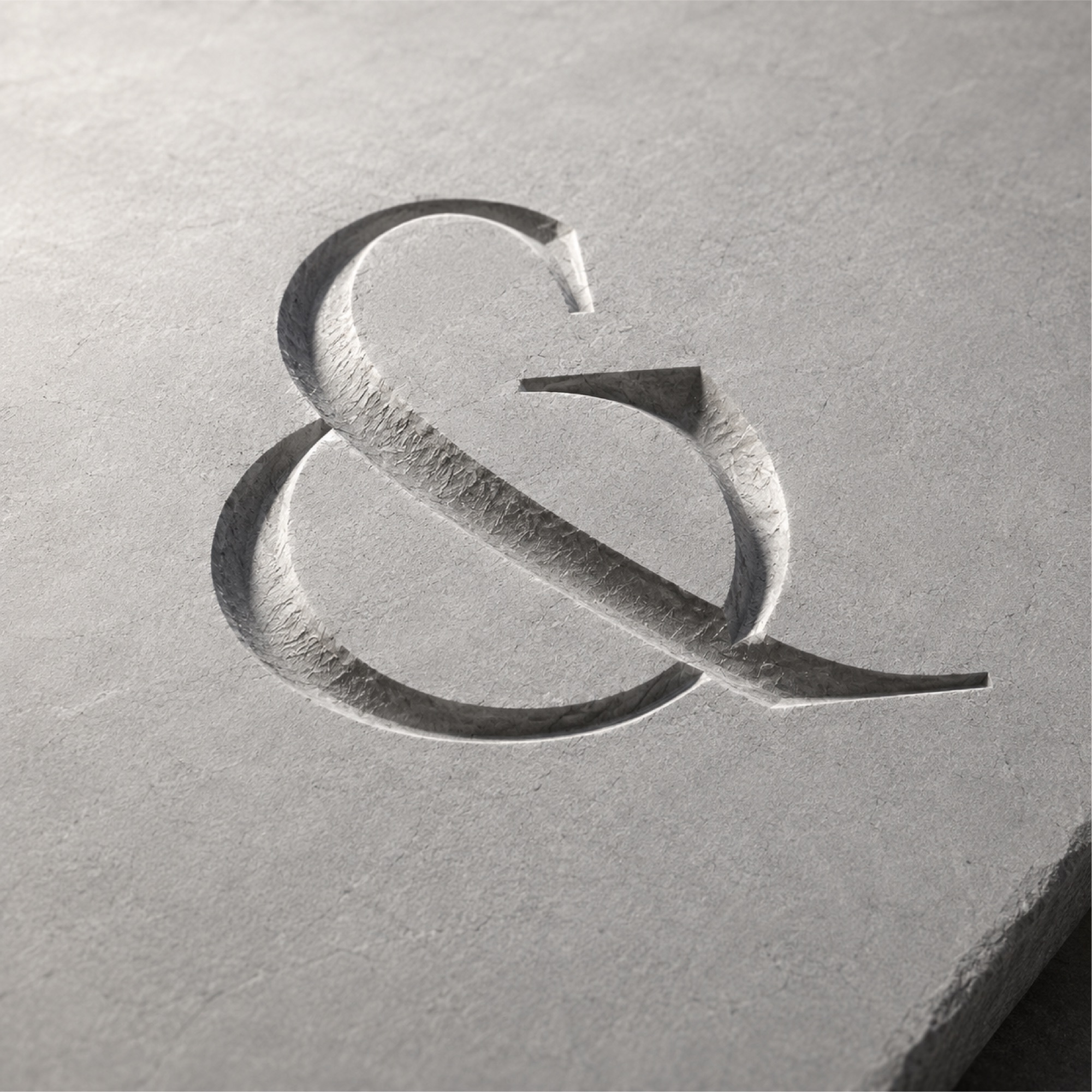
Formae keeps a trace of that history in its own structure: cut counters, calm proportions and a measured contrast between thick and thin strokes, paired with oldstyle figures, a dedicated stylistic set, discretionary ligatures and a matching Old English companion face. The result is a working display serif for maps, posters, packaging, book covers and any headline that has to hold an entire page together at a glance, carrying a printed, historical register without ever slipping into pastiche or costume drama.
Buy Formae
VAT may apply at checkout
Payment info
Licensing options
Small licence
Allows you to install the font file on up to 10 computers at the same workstation. The web font files may be used for 1 domain and a maximum of 50,000 page views per month.
Medium licence
Allows you to install the font file on up to 30 computers in the same workplace. The web font files may be used for 1 domain and a maximum of 500,000 page views per month.
Large licence
Allows you to install the font file on up to 60 computers in the same workplace. The web font files may be used for 1 domain and a maximum of 5,000,000 page views per month.
Beyond 60 computers, please contact us, we have special licensing options.
E-book-, App-, and Broadcast Licences are not available online, please contact us for purchase.